Photograph via Pexels.
Start with the room you are standing in
Feng shui, room by room — with the reasoning attached.
Most advice online is a list of rules with no source and no reason. This is the same material sorted by the room you actually want to change, with the school named and the practical logic separated out from the tradition.
Two things braided together: a tradition and a design practice
Almost every piece of feng shui advice is two things stuck together: a claim from an inherited tradition about how chi (qi) moves through a building, and an arrangement that often has an ordinary design reason behind it. The name means “wind and water,” and classical texts explain it through chi, which wind is said to scatter and water to hold. Its oldest concern was the siting of graves and houses, a split that survives as yin house and yang house feng shui; where feng shui comes from traces that history.
What no school can honestly offer is a result. Popular writing routinely ties an arrangement to money, love or health, and that is a promise no placement of furniture can keep. What feng shui actually claims separates the tradition’s statements from the marketing layered on top, and what kind of evidence exists sets out what has and has not been examined.
Feng shui is also not one rulebook. Form School (Xingshi) reads the shape of land, buildings and rooms. Compass School (Liqi) works from measured directions and time cycles. The Western Black Sect, or BTB, adaptation simplified both for ordinary homes. They disagree often, which explains why feng shui rules contradict each other, and most English-language advice is BTB without saying so. The basics section starts from that point.
The four ideas every room guide draws on
Chi and what “flow” is describing
In feng shui, chi is described as a vital energy that moves through a home the way air or water does: ideally meandering, neither rushing in a straight line nor pooling in a corner. What energy flow means in feng shui unpacks the term. Most statements about flow can also be read as statements about how people and air move: whether the route from the door is clear, and whether a corridor funnels you straight through.
That is why clutter comes first in every school. The tradition calls it stagnant chi; the design reading is that it blocks movement, gathers dust and makes cleaning harder. The same lens covers the “poison arrow”, a sharp edge said to send cutting chi at whoever faces it and also a corner you can walk into, and the balance of yin and yang in a room, quiet and dim against bright and active. The Internet Encyclopedia of Philosophy has a careful entry on yinyang in Chinese thought.
The five elements
Wood, fire, earth, metal and water are better translated as five phases, because the idea is about how things turn into and restrain one another. How the five elements are used covers the system; the short version is two cycles. In the productive cycle, wood feeds fire, fire leaves earth as ash, earth yields metal, metal gathers water and water nourishes wood. In the destructive cycle, wood breaks earth, earth dams water, water puts out fire, fire melts metal and metal cuts wood. In a room the elements are read through materials, colors and shapes. Practitioners use the scheme to balance a room; the design reading underneath is variety of texture and color.
The commanding position
The idea that recurs most across schools is the commanding position: the bed, the desk and the stove sit where the person using them can see the door without being directly in line with it, ideally with a solid wall behind. The tradition frames this as being supported. The reasoning given is that people settle more easily when nobody can approach unseen, and a wall behind a headboard or chair is steadier than a window or a walkway.
The bagua, and why placing it starts arguments
The bagua (pa kua) is an arrangement of eight trigrams around a center, each tied to a direction, an element and a theme of life. Laid over a floor plan it becomes a grid of nine areas matching the Luo Shu magic square, a three-by-three grid of numbers whose rows, columns and diagonals each add up to fifteen. What the bagua is and how it is used gives the full map. The argument is about where it goes. Compass School orients it by real compass directions, read with a luopan compass; the Black Sect (BTB) adaptation aligns it with the wall that holds the front door and ignores the compass.
Form School versus Compass School sets out the older divide, and orienting a bagua map to a home walks through both methods. Common mistakes with the bagua include reading its area labels, such as wealth or relationships, as promises. They are the tradition’s names for zones, not mechanisms.
Room by room: where the principles land
The same few ideas repeat in every room; what changes is which one matters most. The full room-by-room guide gathers them.
Entrances and hallways
In feng shui the front door is called the “mouth of chi”, where energy is said to enter the home. The tradition objects to a cluttered entrance; the practical reason is that shoes and bags by the door are a trip hazard. A back door in line with the front door is said to let chi rush straight through, and practically it makes a draft path and a sightline through the house. How a hallway should be treated follows the same logic: light it, keep it clear, break up a long straight run.
Bedrooms
Where the bed should go comes down to a view of the door, a solid wall behind the headboard, and not lying with your feet pointing straight out of the doorway, which the tradition calls the coffin position and a bed that faces the door discusses. Mirrors in a bedroom are said to make the room too active; the plainer reason offered is that reflected movement and light catch the eye at night. What belongs under the bed has dust and airflow as its practical side. None of this is medical advice: persistent trouble sleeping is a question for a doctor, not for furniture.
Living rooms, kitchens and desks
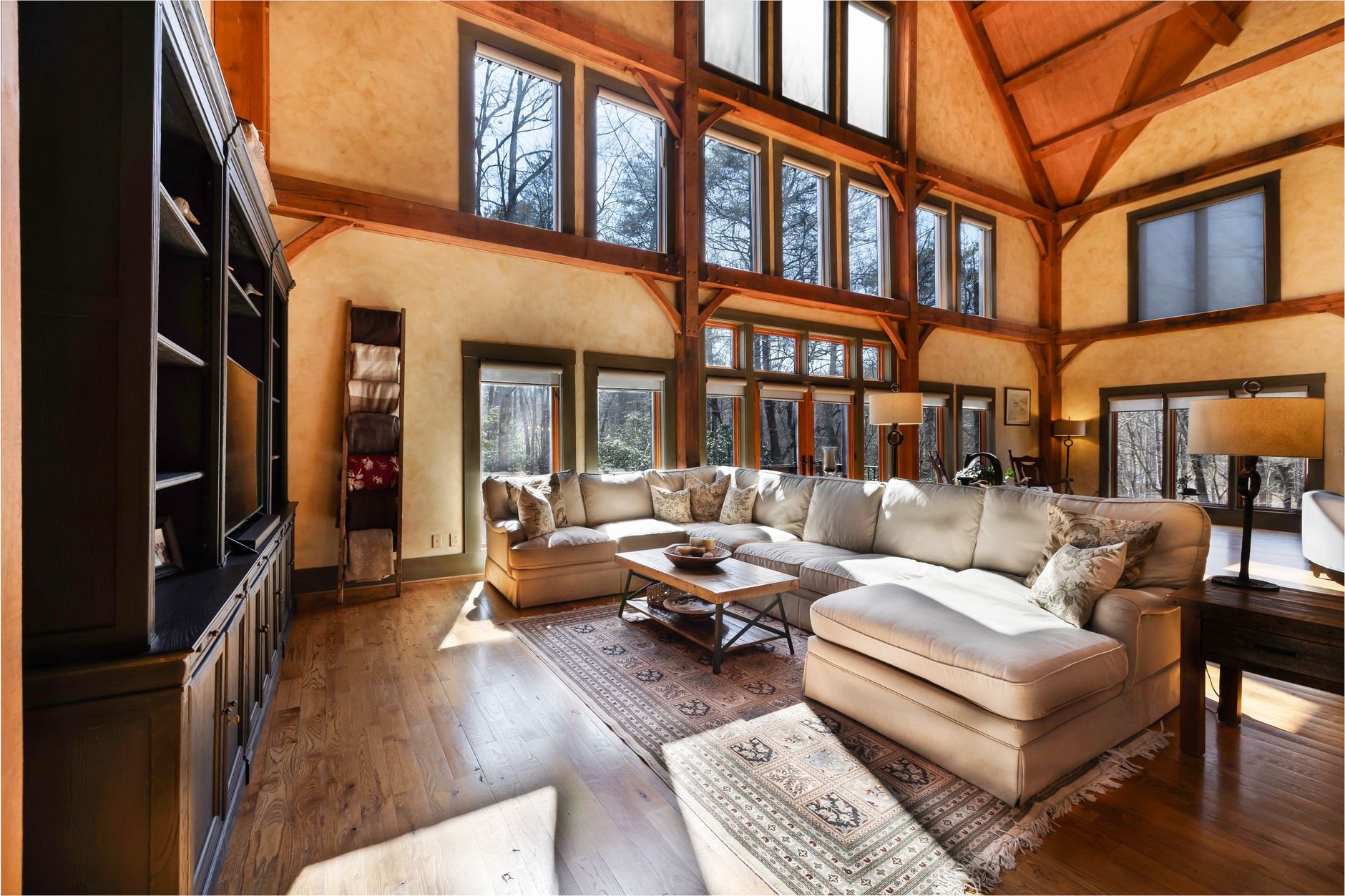
The tradition puts the main sofa against a wall with a view of the entrance, which where a sofa should go works through; the design logic is the same sightline plus a seating area no walkway cuts across. Much feng shui advice treats the stove as a commanding-position object and warns against setting it right beside or opposite the sink, fire against water in the destructive cycle. Where the stove should go covers both readings, and the kitchen work triangle compares it with the modern planning convention. Which way a desk should face is the commanding position again, with the bonus of no window behind you throwing glare onto the screen.
Small spaces, light and air
A studio forces every principle into one room, which is why feng shui in a studio apartment gets its own treatment. Light and air run underneath all of it. The tradition links daylight with yang and dim, stale corners with stagnation, and why feng shui cares about natural light shows how closely that tracks ordinary design advice. Ventilation and stale air is the clearest overlap; for the non-traditional side, the U.S. Environmental Protection Agency keeps a plain guide to indoor air quality. The flow, light and small-spaces section collects the rest.
Where most feng shui advice goes wrong
The most common error is treating one school’s rule as universal. Most online lists are BTB without saying so, which is why what to ignore in online advice is worth reading before any rule list. The second is shopping. The tradition does use objects, but advice that opens with “buy this lucky object” puts a purchase ahead of the layout and clutter questions that come first.
The third is expecting too much of a change. Some problems are structural and some are not, and which layout problems are fixable separates the two; if you rent, what a renter can actually change is the realistic list. And if you hire someone, ask which school they practice and what they will and will not claim; questions to ask a feng shui consultant covers that conversation. A practitioner who promises a financial or romantic result is making a promise no one can check, and any decision involving money, health or a lease belongs with the relevant professional.
The rooms
Pick a room
Each one covers what the tradition suggests, which school suggests it, and what the ordinary design reason is where there is one.
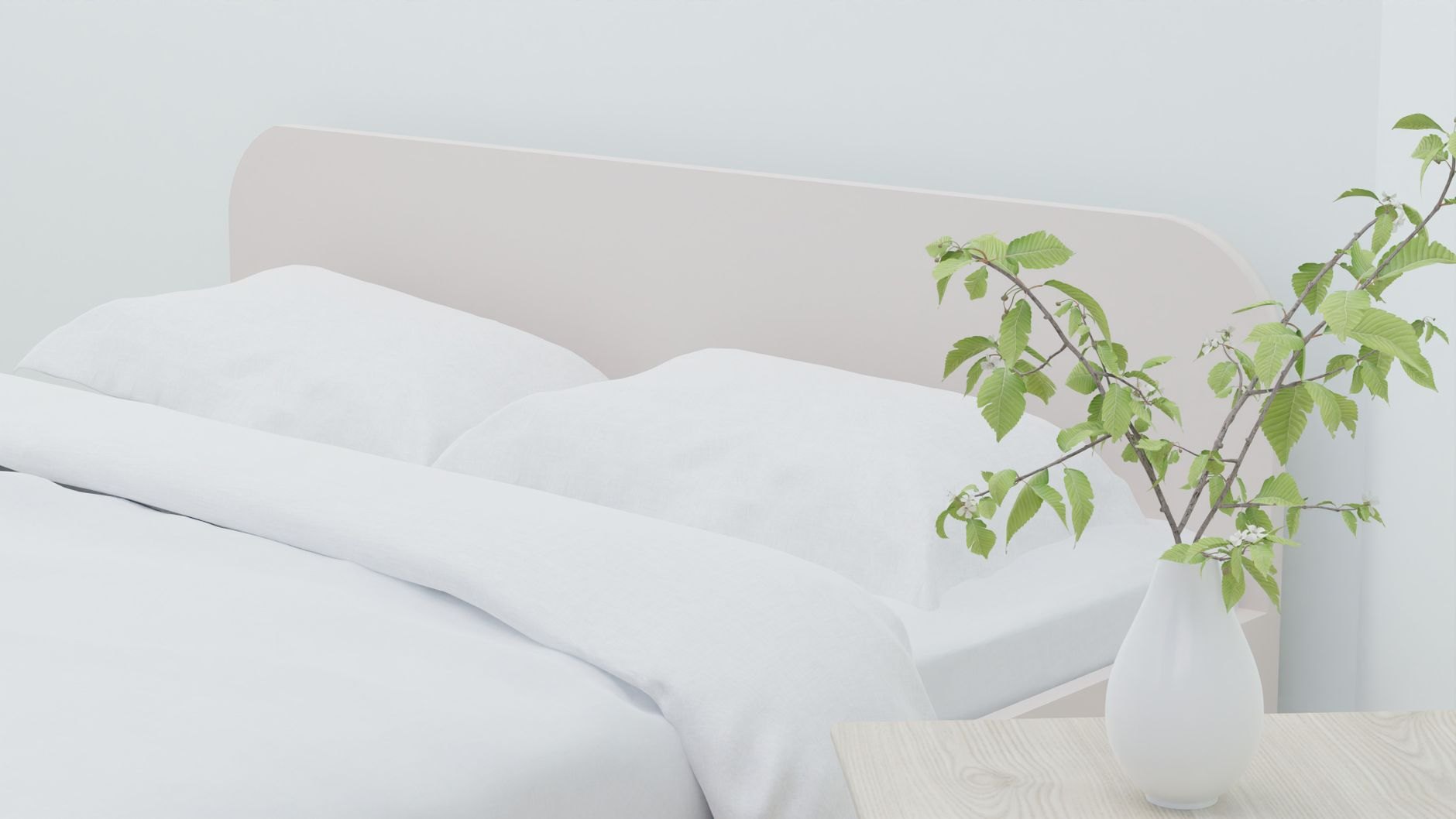 BedroomThe most written-about room in feng shui, and the one with the clearest practical core: where the bed sits relative to the door.Commanding position · mirrors · storage under the bed
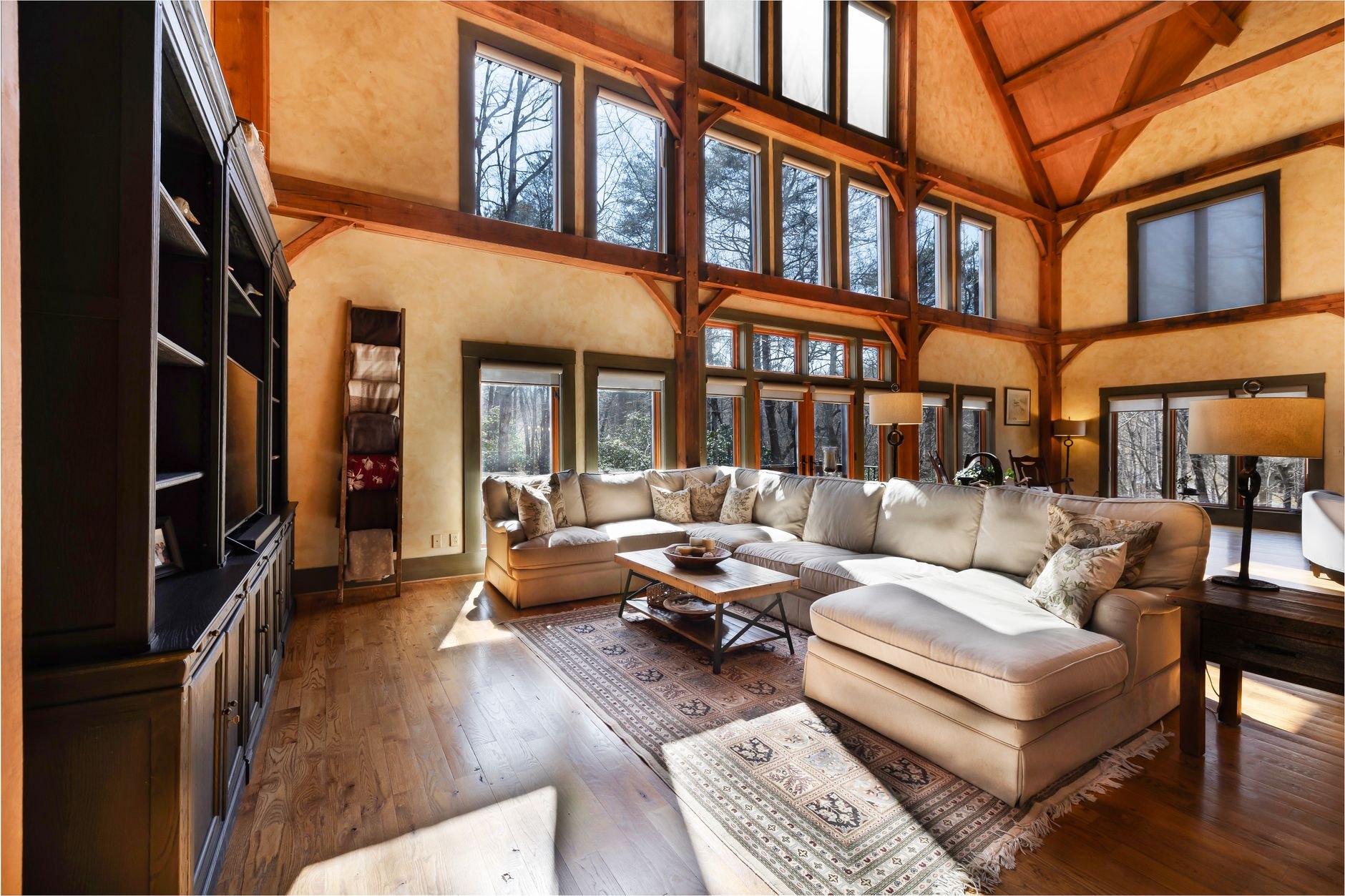 Living roomSeating that faces seating, a clear route through, and somewhere for the eye to rest.Sofa placement · the television · conversation distance
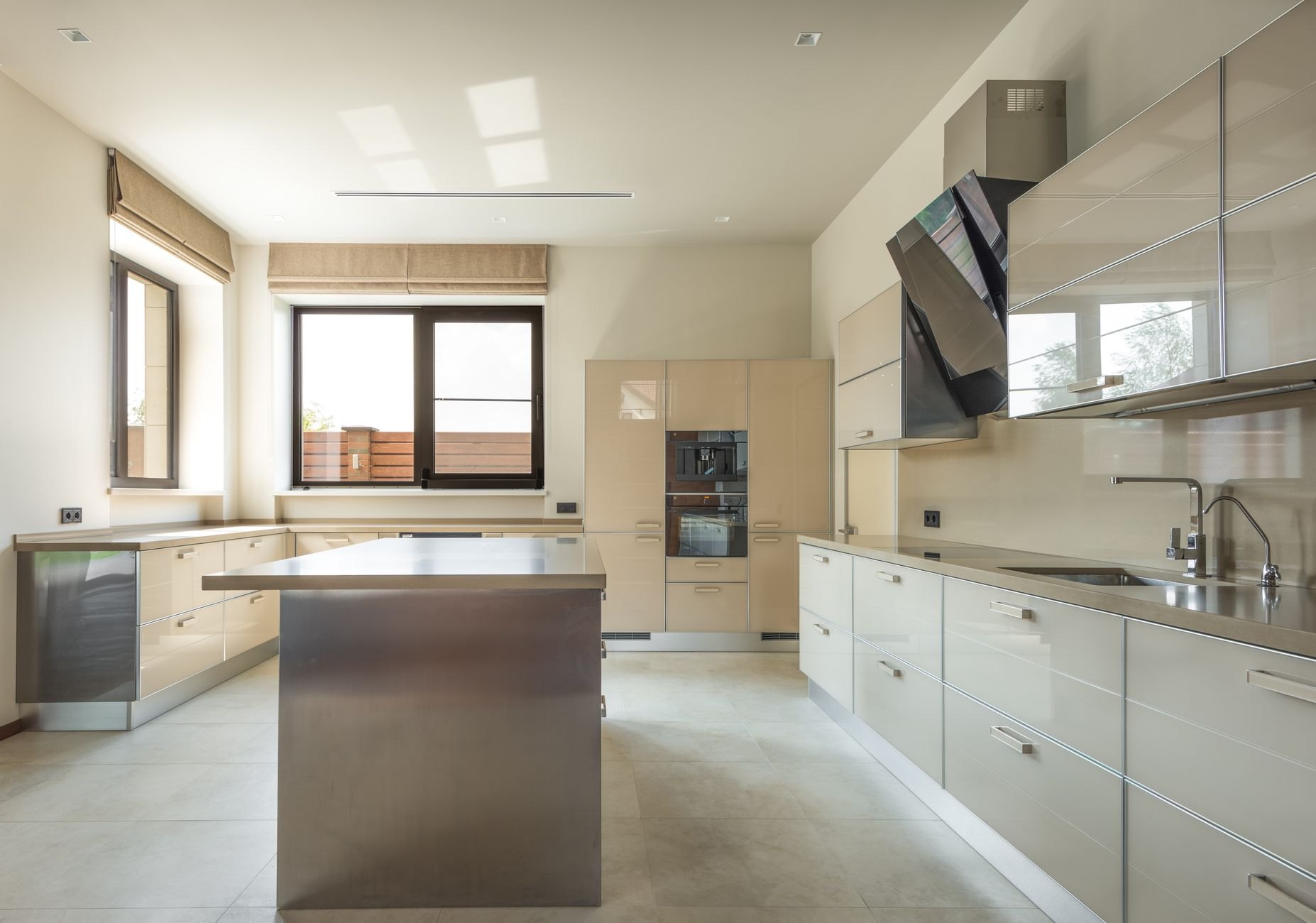 KitchenThe stove is the traditional focus. The modern reasoning is mostly about not standing with your back to the room.Stove position · the work triangle · clutter
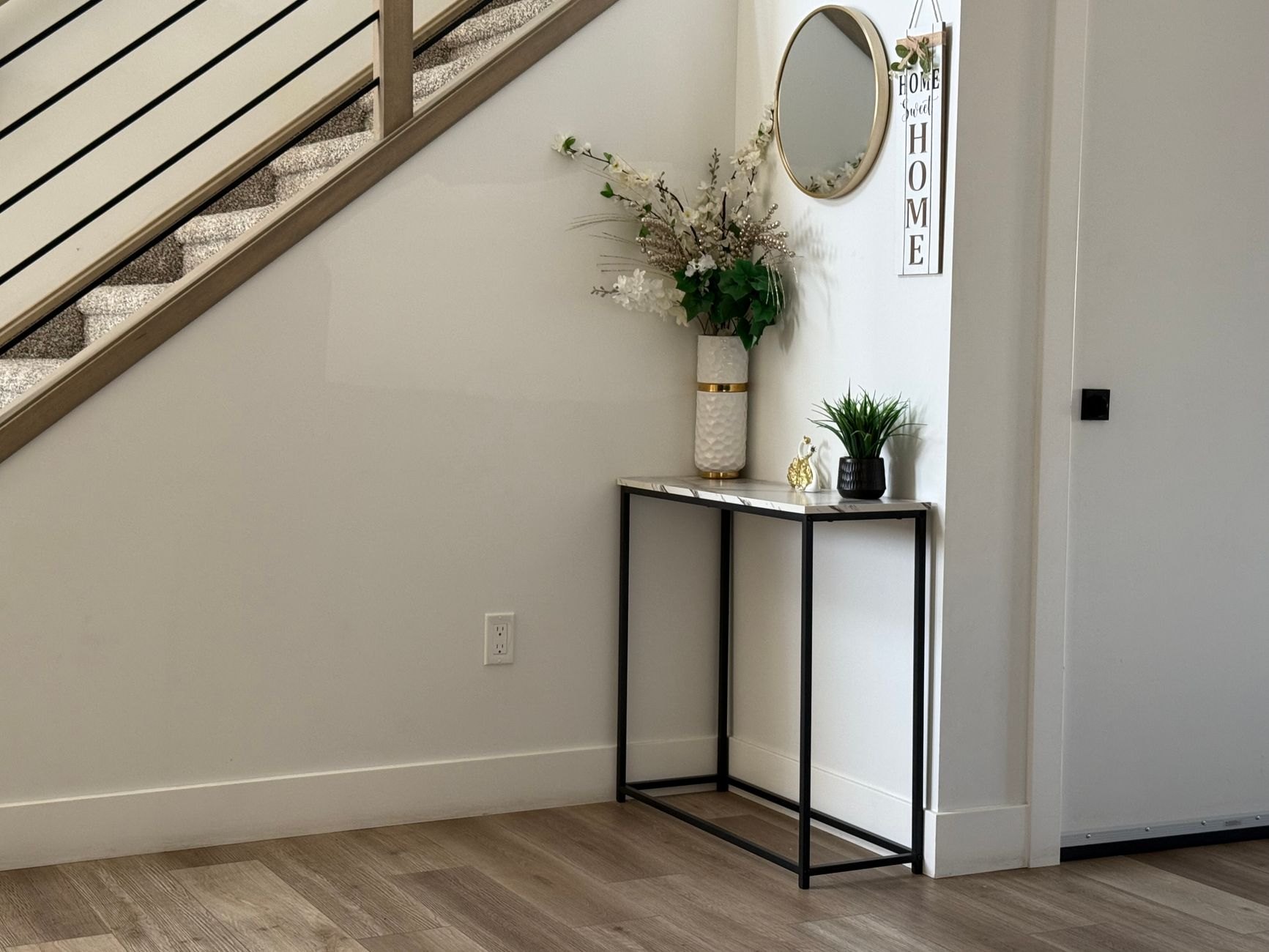 EntrywayCalled the mouth of chi, and the one place where the tradition and ordinary sense agree completely: do not obstruct it.The front door · mirrors · what to keep out
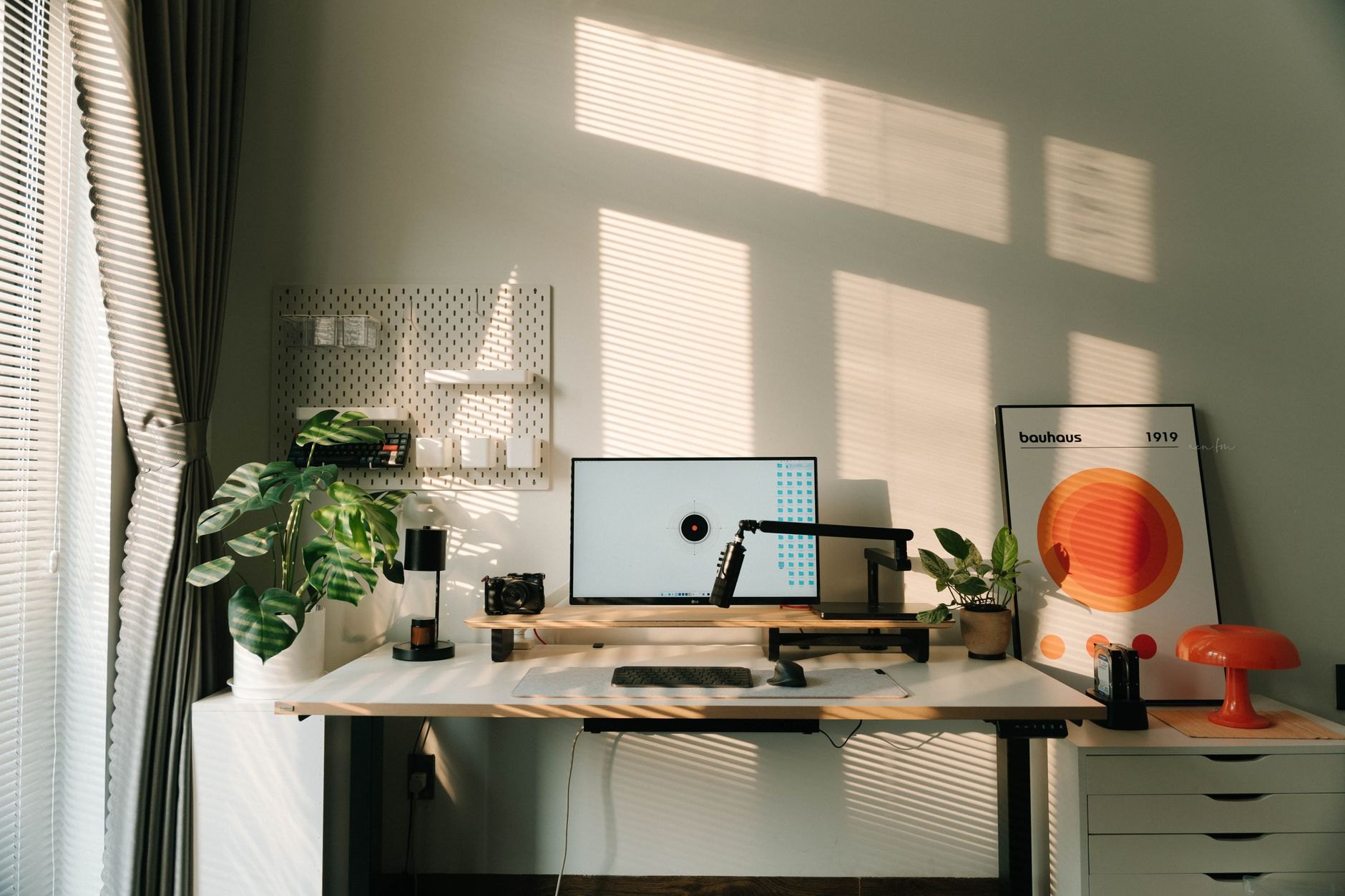 Home officeA desk you can see the door from, daylight that does not sit behind the screen, and a wall at your back.Desk direction · daylight · a bedroom office
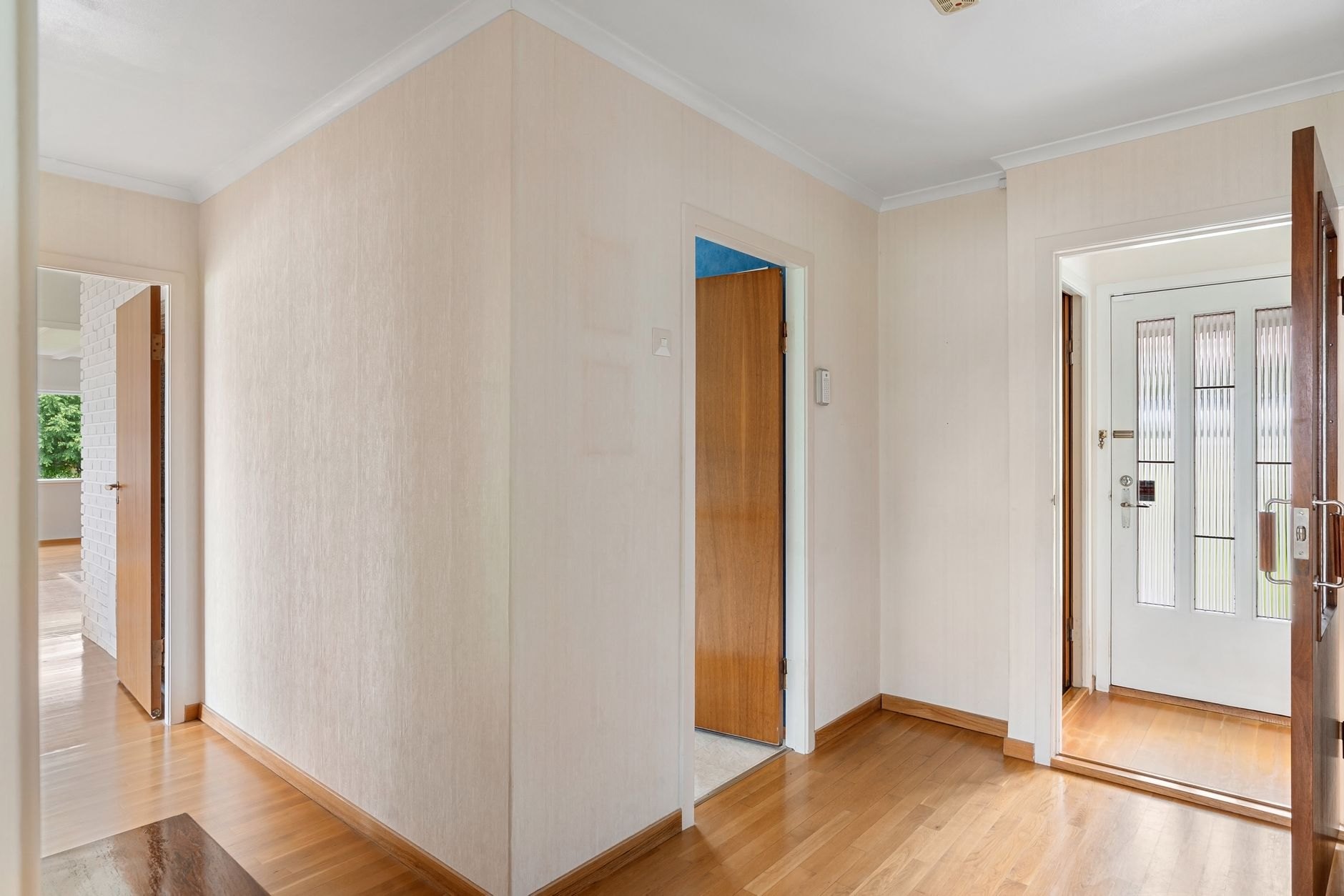 HallwayCirculation, not decoration. Most hallway advice is a restatement of “do not make it hard to walk through”.Narrow halls · doors in line · lighting
The split
The same question, answered twice
Feng shui is two things braided together: an inherited tradition, and ordinary design sense that happens to agree. They are never separated, which is exactly why the advice is impossible to judge — so here they always are.
Why both, every time
Print only the tradition and you have written another unsourced rule list. Print only the practical reason and you have quietly deleted the thing the reader came to ask about. Keeping both also makes the honest line easy to print — sometimes the right-hand column simply says no reason is given for this beyond the tradition itself, and that sentence is worth more than a paragraph of invented justification.
Everything, by subject
Where things live
 Buying & RentingWhat to look at, and what is fixable.
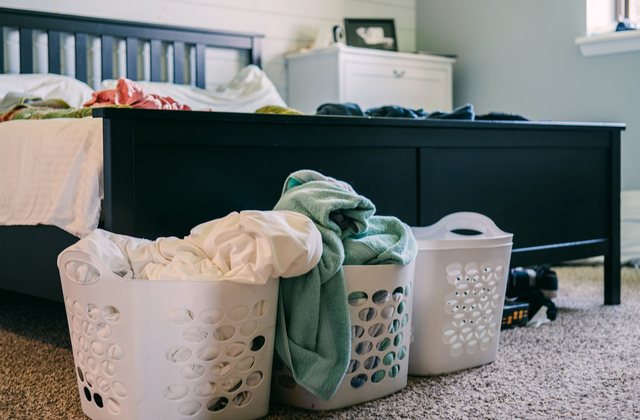 Common MistakesIncluding the advice worth ignoring.
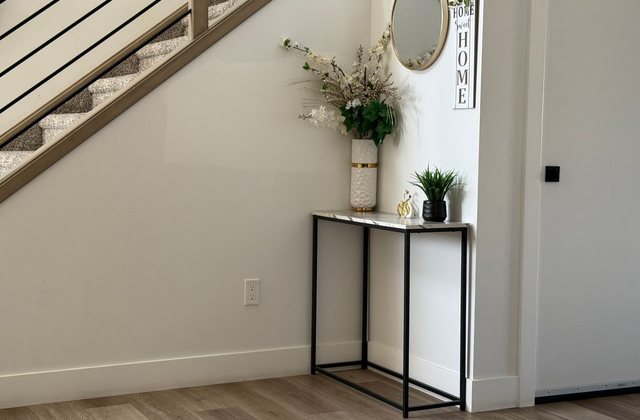 Entrances & FlowHow a home is entered and moved through.
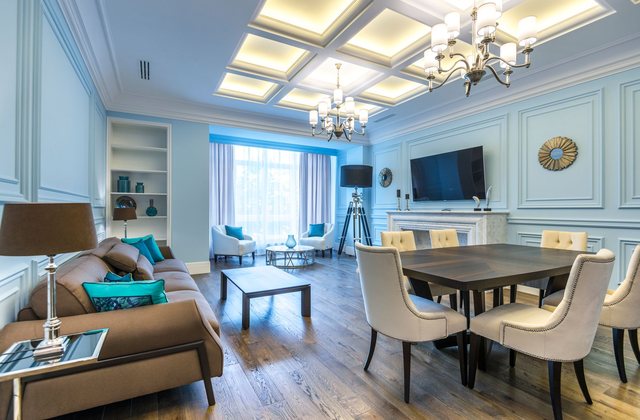 Layout & FurnitureArrangement, spacing, and what to leave empty.
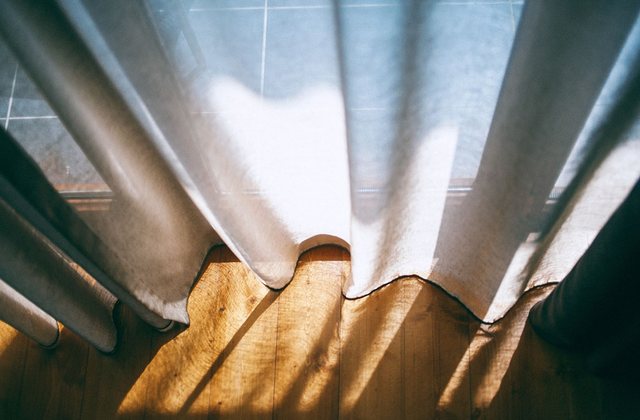 Light & AirDaylight, ventilation, and why they dominate.
 Objects & MaterialsMirrors, plants, water, wood, metal.
 Outdoors & ApproachThe path, the door, the street.
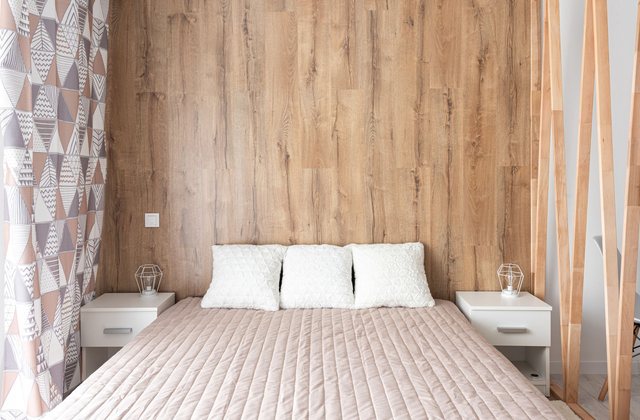 Room by RoomWhat each room is said to want, and why.
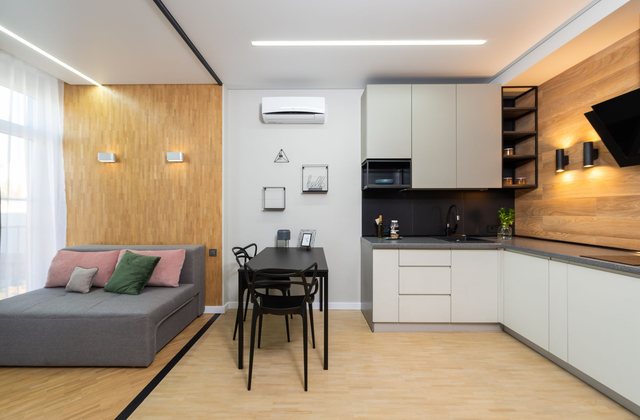 Small SpacesStudios, rentals, rooms you cannot change.
 The BasicsChi, the bagua, the five elements, the schools.
Recently
Newest writing
- 01What Classical Texts Form the Basis of Written Feng Shui?The Basics
- 02The Luo Shu Magic Square: What It Is, How Feng Shui Uses ItThe Basics
- 03Yin House vs Yang House Feng Shui: What Is the Difference?The Basics
- 04What Questions Should You Ask a Feng Shui Consultant?The Basics
- 05Is It Worth Paying a Feng Shui Consultant? What They DoThe Basics
- 06What Feng Shui Says About Moving In, and In What OrderBuying & Renting
- 07What Can a Renter Actually Change? A Feng Shui GuideBuying & Renting
- 08How to Assess a Floor Plan Before You See the PlaceLayout & Furniture
What we can tell you — and what we will not
- Schools Which school a rule comes from that they agree — they do not
- Outcomes What the tradition holds that it brings wealth, health or luck
- Evidence Where it matches design sense that feng shui has been tested
- Objects What an object is said to be for that you should buy one
- Your home Principles for most rooms a reading of your specific home
- Advice Design, arrangement and light medical, financial or legal advice
Where this site stops
We explain a tradition. We are not practitioners, we have not seen your home, and we will not pretend that moving furniture changes your luck.
- No outcome promises, everNot wealth, health, luck, fertility or a relationship. This is the line the whole genre crosses, and it is the reason most feng shui writing cannot be trusted on anything else.
- We say which school a rule comes fromForm School, Compass School and the Western BTB adaptation contradict each other constantly, and most English-language advice is BTB without ever saying so.
- We separate the tradition from the reasonWhere a suggestion has an ordinary practical basis — daylight, sightlines, circulation — we give it. Where it does not, we say that instead of inventing one.
- We sell nothing in our own voiceNo lucky objects, no crystals, no cures. Where the tradition uses an object we explain what it is said to do and leave you to decide.